Saturday, June 16, 2012

Saturday, June 9, 2012
Cigarette Smoking, Lung Cancer, and Statistics
It's well-known that cigarette smoking increases risk for lung cancer. Cigarette smoking is responsible for approximately 90% of all cases of lung cancer. The risk of a current smoker with a 40 pack-year smoking history is about 20 times that of someone who has never smoked.
Several other factors increase the risk for lung cancer. The combination of smoking history and asbestos exposure escalates the risk to as high as 50 to 90 times that of a never-smoker. The presence of airway obstruction on pulmonary function testing increases the risk to a four- to sixfold.

Sigmund Freud, whose doctor assisted his suicide because of cancer caused by smoking
The most effective method for reducing current smokers' risk is to quit. After a current smoker quits smoking, the risk for lung cancer falls steadily for about 15 years before the risk levels off. The risk, however, remains twice that of a never-smoker. In other words, a 15-year smoking cessation reduces the risk from 20 to 2.
Several other factors increase the risk for lung cancer. The combination of smoking history and asbestos exposure escalates the risk to as high as 50 to 90 times that of a never-smoker. The presence of airway obstruction on pulmonary function testing increases the risk to a four- to sixfold.
Sigmund Freud, whose doctor assisted his suicide because of cancer caused by smoking
The most effective method for reducing current smokers' risk is to quit. After a current smoker quits smoking, the risk for lung cancer falls steadily for about 15 years before the risk levels off. The risk, however, remains twice that of a never-smoker. In other words, a 15-year smoking cessation reduces the risk from 20 to 2.
Saturday, December 10, 2011
Sunday, December 4, 2011
Hereditary Nonpolyposis Colorectal Cancer
Hereditary Nonpolyposis Colorectal Cancer (HNPCC, also known as Lynch syndrome) is the most common of the hereditary colon syndromes and runs in families which are affected.
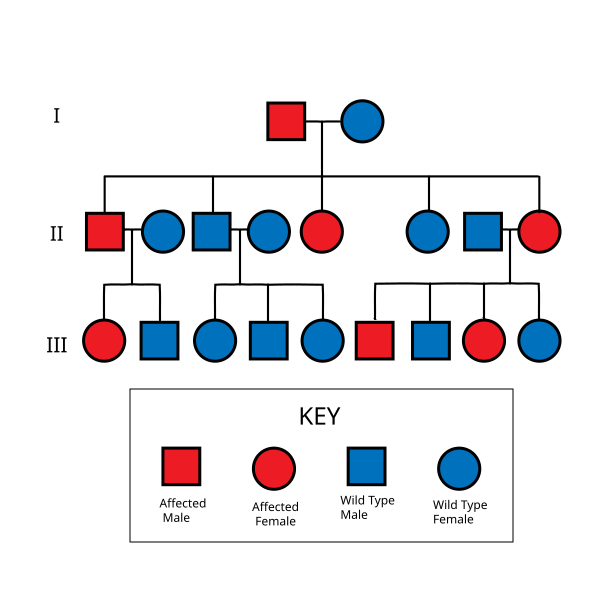
HNPCC occurs when there are mutations of MLH1 and MLH2, which are mismatch repair genes. This type of colon cancer may occur at unusually young age and tends to occur in the right side of the colon. Many families with HPNCC have high risk of other cancers, especially endometrial carcinoma and ovarian cancer.
To detect this type of colon cancer at early age, annual colonoscopy is recommended to begin at age 20 to 25, or 10 years prior to the earliest age of colon cancer diagnosed in the family. Annual screening for endometrial cancer and ovarian cancer is also recommended.
Saturday, August 28, 2010
Subscribe to:
Posts (Atom)


